
Short answer: the best palms for Keys yards are coconut, royal, foxtail, Christmas (Adonidia), thatch, silver and the native sabal (cabbage) palm. Each one blends salt tolerance, wind resilience and that unmistakable island look, and each earns its spot in a different corner of the yard.
A palm is basically the Keys in plant form: laid back, sun loving and completely unbothered by weather that would flatten anything else. But not every palm on the nursery lot actually wants to live twenty feet from the Atlantic. Salt spray, coral rock doing a bad impression of soil, and hurricane season quietly thin the herd. Below are the palms we plant again and again because they earn their keep, with a plain English note on look, size, salt and wind tolerance, and care for each. No Latin name gatekeeping.
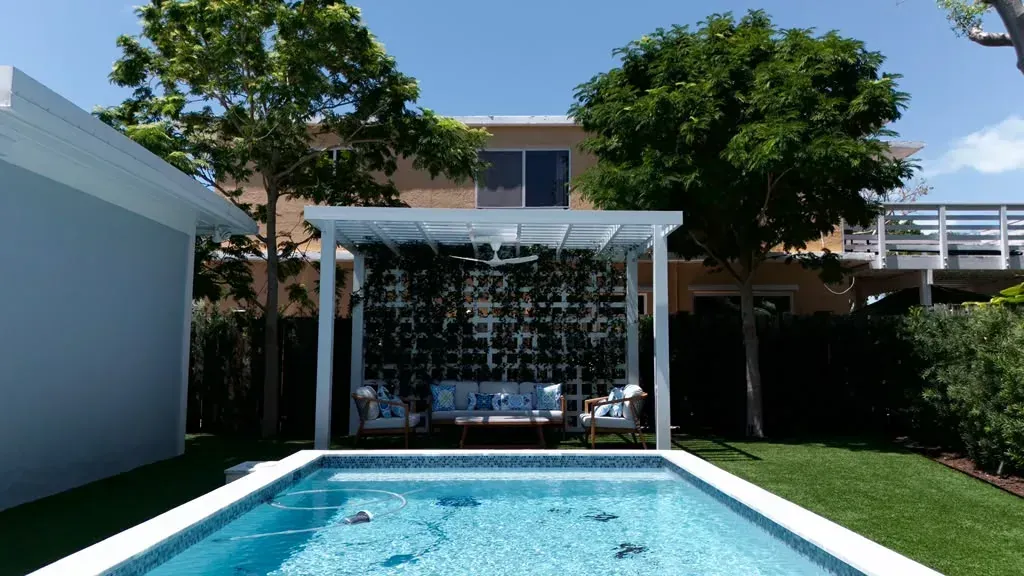
The best salt and wind tolerant palms for Keys yards
Coconut palm (Cocos nucifera)
Look: the postcard palm, that graceful curving trunk and a crown that sways in the lightest breeze. Size: tall, often 40 to 60 feet over time. Salt/wind: excellent on both. Happy right by the water and it flexes instead of fighting in a storm. Care: loves full sun, wants room, and needs feeding on our poor rock. Go with disease resistant types and mind where the coconuts land. This is what “island” looks like.
Royal palm (Roystonea regia)
Look: a stately smooth gray trunk with a green crownshaft, the boulevard showstopper. Size: big and tall, 50 to 70 feet. Salt/wind: good in wind, though it prefers a little shelter from constant direct spray. Care: wants space, sun and feeding. Fair warning: those giant fronds come down like a diving board when they drop, so keep it clear of walkways and the truck. Pure drama for a grand entrance.
Foxtail palm (Wodyetia bifurcata)
Look: full, bushy plumes like a fox’s tail, lush and self cleaning, since it drops its own fronds and spares you the ladder. Size: moderate, around 25 to 30 feet. Salt/wind: takes wind well and handles salt with a bit of shelter. Care: fast, tidy and low fuss. A favorite for modern Keys homes that want instant fullness without committing to a 60 footer.
Christmas / Adonidia palm (Adonidia merrillii)
Look: compact and elegant, often multi trunk, with red fruit right around the holidays. Hence the name. Size: small, 15 to 20 feet. Salt/wind: moderate, happiest with a little shelter. Care: perfect for tighter yards, entryways and pool corners where a coconut would just be showing off. The everyday workhorse of Keys landscaping.
Thatch palm (Thrinax / Leucothrinax)
Look: slender, native, fan leafed and airy. Size: small to medium, 15 to 25 feet. Salt/wind: outstanding. A true coastal native, built for salt and wind long before anyone rolled out a lawn. Care: tough and low maintenance, and right at home near open water where fussier palms sulk. Quietly one of the best picks on this whole list.
Silver palm (Coccothrinax argentata)
Look: striking fan fronds, green on top and shimmering silver underneath. It practically winks at you in the wind. Size: small and slow, often under 15 feet. Salt/wind: excellent salt tolerance, native to South Florida. Care: slow growing and drought tough. A little jewel for accent beds and coastal plantings when you want texture, not height.
Sabal / cabbage palm (Sabal palmetto)
Look: the classic Florida fan palm, rugged and timeless. Size: medium to tall, 30 to 50 feet. Salt/wind: superb. Famously hurricane hardy and salt tough. Care: just about bulletproof once established, drought tolerant and native. It’s Florida’s state tree for a reason, and it’s the smart anchor for any yard that wants to still be standing after the storm.
Pro move: don’t plant the same palm on repeat like a row of streetlights. Mix a tall anchor (coconut or sabal), some mid height fullness (foxtail), and small accents (silver, Christmas) so the yard reads layered and intentional. That’s the whole difference between “some palms” and a designed landscape.
How do you plant palms in coral rock?
Here’s the local wrinkle. Much of the Keys is hard cap rock under a thin skin of fill, so you can’t just dig a hole and drop a palm in. Try it with a shovel and you’ll be reaching for a pick or a jackhammer by the second scoop. We cut or auger a proper planting pocket into the rock, set the palm at the right depth, and backfill with quality soil so those young roots have something to grab onto. Get the hole prep and drainage right and palms take off. Get lazy with it and even a tough palm just sits there and sulks. This is the sort of thing a professional landscape design and installation does as routine, and it’s exactly why island palms outlive the weekend project palms.
Hurricane tip: help your palms ride out the storm
Palms are natural storm survivors. That flex is a feature, not a flaw. To stack the odds in your favor: plant at the right depth with healthy, established roots, resist the urge to “hurricane cut” the crown bare before storm season (those fronds actually shield the growing point that keeps the palm alive), and lean on genuinely storm hardy species like sabal, coconut and thatch in the most exposed spots. Freshly planted palms may need staking until they’re rooted in. Do it right and your palms will very likely outlast the fence, and maybe the roof.
Ready to pick the right palms for your specific yard and get them planted properly in the rock? Pair this with our take on turf vs. natural grass and our Keys landscaping cost guide, then let’s talk.
What are the best palms for a Florida Keys yard?+
The ones that earn their keep are coconut, royal, foxtail, Christmas (Adonidia), thatch, silver and the native sabal (cabbage) palm. That’s a mix of salt tolerance, wind resilience and island good looks, each one for a different spot.
Which palms are most salt tolerant?+
Coconut, thatch, silver and sabal palms are among the toughest on salt and do great close to open water. Foxtail and royal handle it fine but prefer some shelter from constant spray.
Can you plant palms in coral rock?+
Yes, just not with a shovel and good intentions. We cut or auger a proper hole into the cap rock, backfill with quality soil and set the palm at the right depth. Good hole prep and drainage get palms established in Keys rock.
Which palms hold up best in a hurricane?+
Native sabal palms are famously storm hardy, and coconut and thatch palms flex instead of snapping in high wind. Right planting depth, healthy roots and skipping the bare hurricane cut before storm season all help.